Mold Remediation
HEPA Cleaning
Removing the mold is half the job. Cleaning up the dust is the other half.
HEPA cleaning uses vacuums and air filtration built to capture very fine particles, removing settled spores and debris that ordinary vacuums blow back into the air.
What HEPA cleaning is
HEPA stands for high-efficiency particulate air. A true HEPA filter is designed to capture at least 99.97 percent of particles 0.3 microns in size, which is small enough to trap mold spores and fine dust. A standard household vacuum can blow those particles back into the room.
In mold work, HEPA cleaning happens after contaminated materials are removed. Every surface in the work area, including framing, floors, ledges and the inside of the containment, is HEPA vacuumed and wiped down. It is also used to clean nearby rooms where dust may have settled, and after demolition following water or fire damage.
When detail cleaning matters
These are common reasons to include HEPA cleaning in a project.
Visible dust after demolition
Fine dust from removed drywall and insulation can carry spores and settle on every surface.
Mold was disturbed before containment
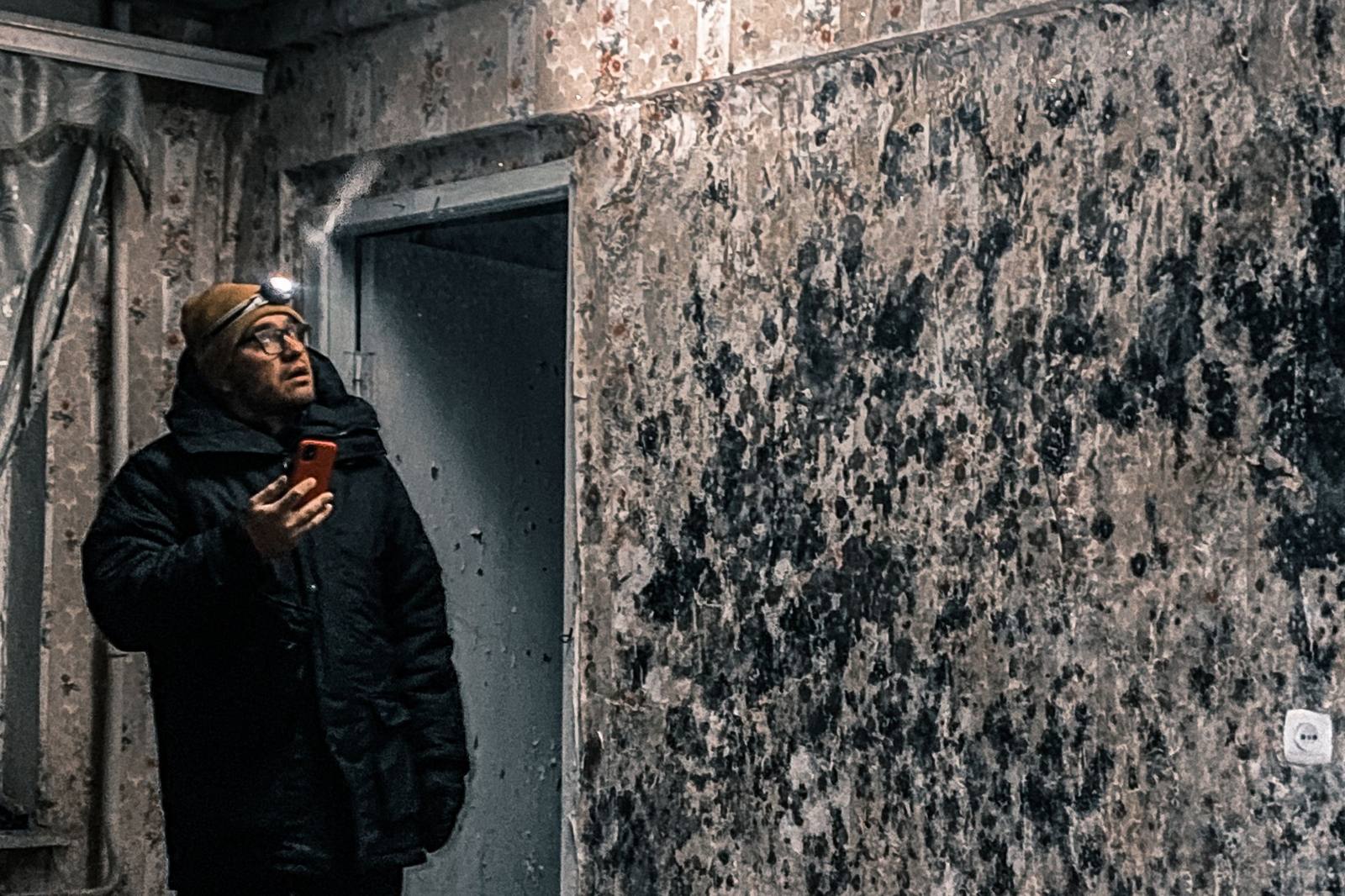
If moldy materials were moved or cut before containment, spores may have spread into nearby rooms.
Stored items near the growth
Boxes, furniture and other contents kept near mold can collect spores on their surfaces.
Sensitive occupants
Homes with young children, older adults or people with respiratory conditions benefit from thorough cleanup.
How HEPA cleaning is done
Cleaning works from the top of the room to the bottom so nothing is re-contaminated.
Air filtration
HEPA air scrubbers run during cleaning to capture particles stirred up from surfaces.
HEPA vacuum from top to bottom
Ceilings, framing, walls, ledges and floors are vacuumed in order, working down and toward the exit.
Damp wipe
Hard surfaces are wiped with damp cloths to pick up the fine dust a vacuum can miss.
Clean contents
Hard contents are vacuumed and wiped. Soft contents are evaluated for cleaning or disposal.
Final vacuum and check
A final pass is done once the area is dry, and the space is checked before containment is removed.
Every property is different. The exact scope is set after an on-site assessment.
One call, every trade, start to finish
Mold work only holds up when the moisture problem behind it gets fixed too. We coordinate both, so you are not left managing them separately.
One point of contact
You work with one coordinator instead of tracking down separate contractors for each part of the job.
Every trade the job needs
Restoration rarely stops at one trade. Follow-on work like drywall, flooring, electrical or roofing can run through the same request.
Local professionals
We connect homeowners with service professionals in our network across Illinois, Missouri, Kentucky and Indiana.
Records you can share
Photos and written scopes from the job can be shared with your insurer at your discretion. We are not affiliated with any insurance company and do not make coverage decisions.
HEPA Cleaning FAQs
Related services
Mold Remediation
Containing and removing mold growth and fixing the cause.
Antimicrobial Treatments
Applying antimicrobial products after cleaning to help limit regrowth.
Mold Inspection
Finding where mold is growing and the moisture behind it.
Need a thorough cleanup after mold or demolition?
Describe the area and what work has already been done. We will coordinate a local professional to handle the cleaning.
Call +1 (618) 925-0085Filling out the form
Under Services, choose Mold Remediation, then select HEPA cleaning.
Not a homeowner?