Mold Remediation
Mold Remediation
Remove the mold, contain the mess, fix the moisture.
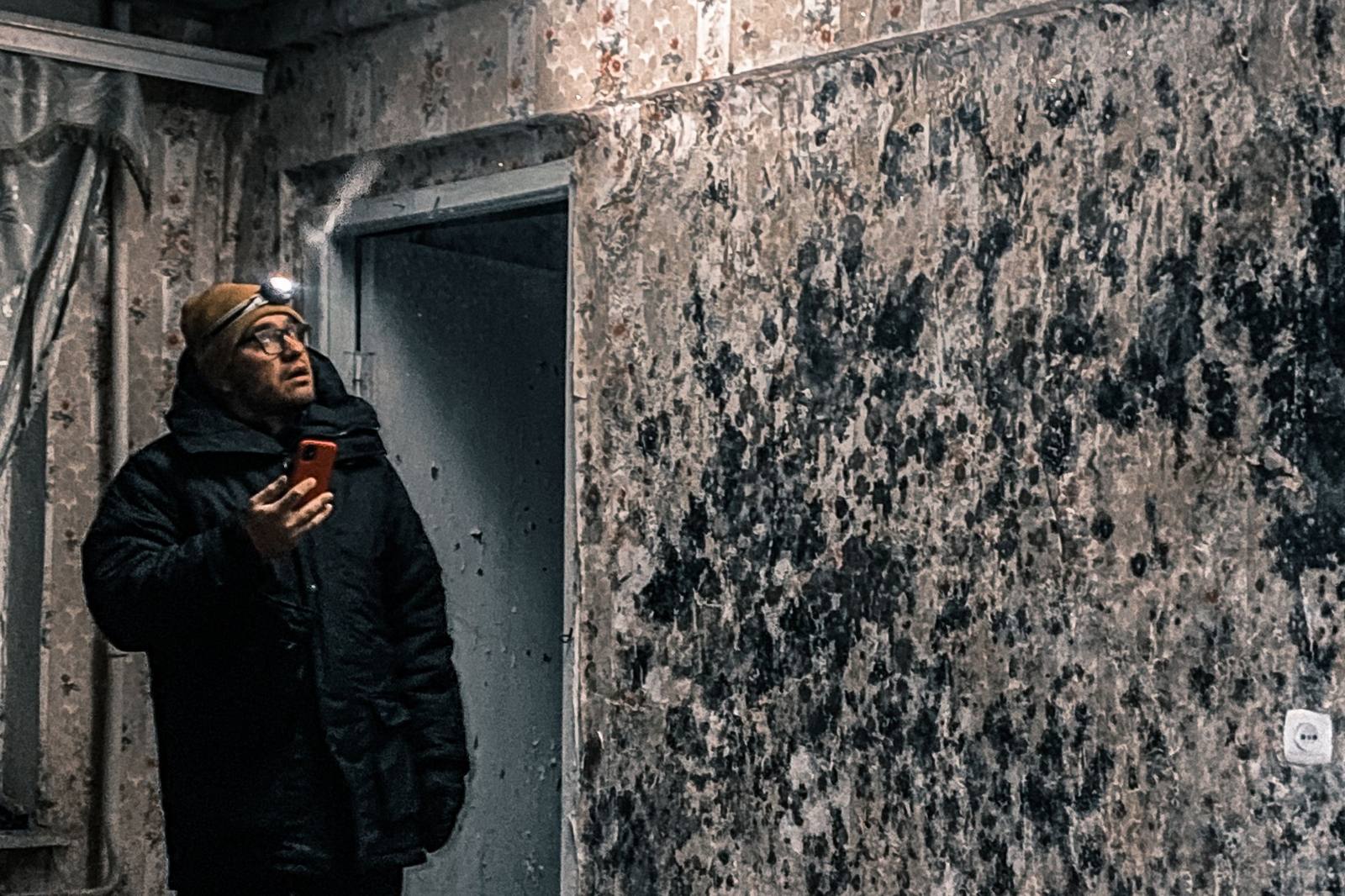
Mold remediation physically removes mold growth and contaminated materials while keeping spores from spreading to the rest of the house, then addresses the moisture that caused it.
What mold remediation means
Remediation is not the same as spraying a surface with bleach. It means setting up containment around the affected area, removing materials that cannot be cleaned, cleaning what can be saved, and drying the area so mold does not return.
Drywall, insulation and carpet with mold growth are usually removed and replaced. Hard materials such as framing and concrete can usually be cleaned. Just as important, the leak, humidity or drainage issue behind the mold has to be fixed, or the problem will return.
When mold calls for professional remediation
Small surface spots can sometimes be cleaned by a homeowner. These situations usually call for professionals.
Growth covers a large area
The EPA suggests that areas larger than about 10 square feet may be better handled with professional help.
Mold is inside walls or ceilings
Hidden growth means opening up materials, which can release spores without proper containment.
It followed sewage or floodwater
Contaminated water adds health risks beyond the mold itself.
It is in the HVAC system
Mold in ducts or air handlers can spread spores through the whole house.
It keeps coming back
Recurring growth means the moisture source has not been found or fixed.
How remediation is done
Most residential projects follow a similar sequence.
Assess and plan
The affected areas and moisture source are identified, and a scope is set for what will be removed and what will be cleaned.
Contain the area
Plastic barriers and negative air pressure keep spores and dust inside the work area.
Remove affected materials
Moldy drywall, insulation and other porous materials are removed and bagged for disposal.
Clean and dry
Remaining surfaces are HEPA vacuumed and cleaned, and the area is dried to normal moisture levels.
Verify and rebuild
The area is checked before containment comes down, then rebuilt once the moisture problem is fixed.
Every property is different. The exact scope is set after an on-site assessment.
Good to know
Do not disturb mold before the work starts
Scrubbing, sanding or tearing out moldy materials yourself can spread spores to the rest of the house.
State rules vary
Some states have licensing or assessment rules for mold work. Requirements are checked for your location.
One call, every trade, start to finish
Mold work only holds up when the moisture problem behind it gets fixed too. We coordinate both, so you are not left managing them separately.
One point of contact
You work with one coordinator instead of tracking down separate contractors for each part of the job.
Every trade the job needs
Restoration rarely stops at one trade. Follow-on work like drywall, flooring, electrical or roofing can run through the same request.
Local professionals
We connect homeowners with service professionals in our network across Illinois, Missouri, Kentucky and Indiana.
Records you can share
Photos and written scopes from the job can be shared with your insurer at your discretion. We are not affiliated with any insurance company and do not make coverage decisions.
Mold Remediation FAQs
Related services
Mold Inspection
Finding where mold is growing and the moisture behind it.
HEPA Cleaning
HEPA vacuuming and detail cleaning to remove settled spores and fine dust.
Antimicrobial Treatments
Applying antimicrobial products after cleaning to help limit regrowth.
Get mold removed properly
Tell us where the mold is and whether there has been a leak. A local professional will assess the area and plan the work.
Call +1 (618) 925-0085Filling out the form
Under Services, choose Mold Remediation, then select Mold remediation.
Not a homeowner?