Mold Remediation
Antimicrobial Treatments
An antimicrobial treatment supports a cleanup. It does not replace one.
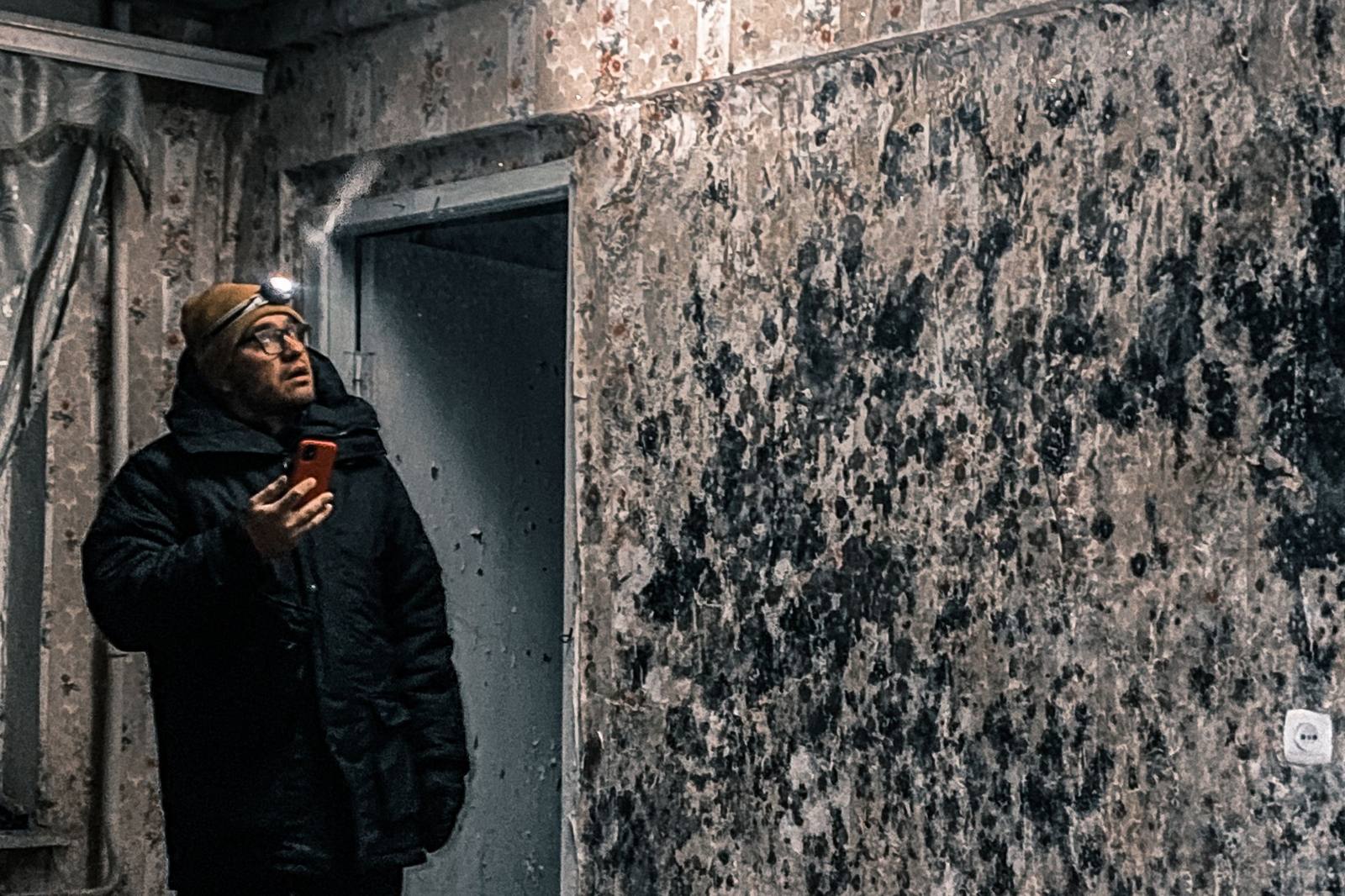
Antimicrobial products are applied to cleaned surfaces after mold removal or water damage to help limit microbial growth while the area dries and is rebuilt.
What antimicrobial treatments are used for
Antimicrobials are products designed to kill or inhibit the growth of microorganisms such as mold and bacteria. In restoration, they are applied to framing, subfloors and other surfaces after the area has been cleaned, often as part of mold remediation, crawlspace work or water damage drying.
Some products are applied as a liquid treatment. Others are coatings that seal the surface. Products should be registered with the EPA for their intended use and applied according to the label. Treatments are only effective on clean surfaces, so they are never a substitute for removing mold growth and fixing the moisture problem.
When a treatment may be recommended
A treatment is usually one step within a larger project.
Mold was removed from wood framing
Framing that cannot be replaced is often cleaned and then treated.
Water was contaminated
Floodwater and sewage carry bacteria. Treating cleaned surfaces is a common part of the process.
Materials will be enclosed
Surfaces about to be covered by drywall, flooring or a liner are often treated first.
The area stayed wet for days
Longer drying times raise the risk of microbial growth.
How antimicrobials are applied
The right product and method depend on the surface and the situation.
Clean first
Mold growth, debris and residue are removed. Antimicrobials do not work properly on dirty surfaces.
Choose the product
A product registered for the intended use is selected based on the surface and the type of contamination.
Ventilate and protect
The area is ventilated and occupants are kept out during application, following the product label.
Apply to the surfaces
The product is sprayed, wiped or brushed onto cleaned surfaces at the label rate.
Dry and continue
Surfaces are allowed to dry and the project continues with drying, sealing or rebuilding.
Every property is different. The exact scope is set after an on-site assessment.
One call, every trade, start to finish
Mold work only holds up when the moisture problem behind it gets fixed too. We coordinate both, so you are not left managing them separately.
One point of contact
You work with one coordinator instead of tracking down separate contractors for each part of the job.
Every trade the job needs
Restoration rarely stops at one trade. Follow-on work like drywall, flooring, electrical or roofing can run through the same request.
Local professionals
We connect homeowners with service professionals in our network across Illinois, Missouri, Kentucky and Indiana.
Records you can share
Photos and written scopes from the job can be shared with your insurer at your discretion. We are not affiliated with any insurance company and do not make coverage decisions.
Antimicrobial Treatments FAQs
Related services
Mold Remediation
Containing and removing mold growth and fixing the cause.
HEPA Cleaning
HEPA vacuuming and detail cleaning to remove settled spores and fine dust.
Crawlspace Mold
Assessing and remediating mold growth under the house.
Ask about antimicrobial treatment for your project
Tell us about the mold or water damage and what has been done so far. We will coordinate a local professional to recommend the right approach.
Call +1 (618) 925-0085Filling out the form
Under Services, choose Mold Remediation, then select Antimicrobial treatments.
Not a homeowner?