Water Damage· Urgent service
Sewage Cleanup
Sewage is a health hazard. Keep people and pets away from it.
Sewage backups bring bacteria and other contaminants into the home. Cleanup removes the waste and the materials it soaked, then cleans, sanitizes and dries what remains.
What sewage cleanup involves
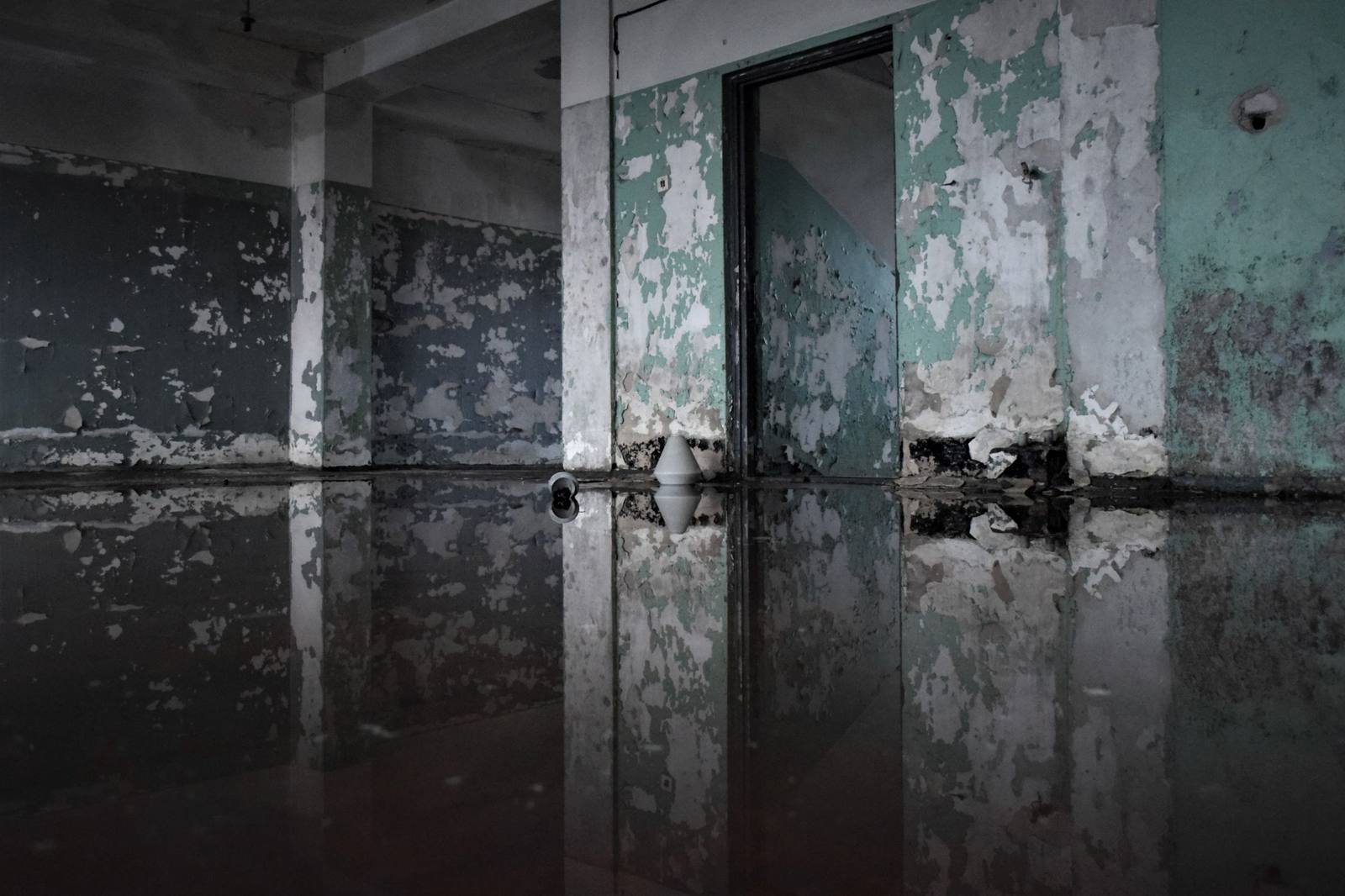
Sewage water is the most contaminated type of water damage. It can carry bacteria, viruses and other pathogens, so it is handled differently from a clean water leak. Crews wear protective equipment and contain the area to limit spread.
Porous materials that touched sewage, such as carpet, pad, drywall and insulation, are generally removed and disposed of. Hard surfaces are cleaned and sanitized, then the area is dried. The cause of the backup, such as a blocked sewer line or a failed ejector pump, should also be repaired, usually by a plumber.
Signs of a sewage problem
Some backups are obvious. Others start with small warning signs.
Water coming up through floor drains
Dark or foul-smelling water from basement drains points to a sewer backup.
Several fixtures draining slowly
When multiple drains slow down at once, the main line may be blocked.
Gurgling toilets or drains
Air bubbling through fixtures can signal a blockage.
Sewage smell in the basement
A persistent odor can mean a leak or backup in an area you do not see often.
How sewage cleanup is done
Safety and containment come first.
Secure the area
Occupants and pets are kept away, power to the affected area is checked, and the crew puts on protective equipment.
Remove sewage water
Water and waste are pumped and extracted.
Remove contaminated materials
Carpet, pad, drywall, insulation and other porous items that were affected are removed and disposed of.
Clean and sanitize
Remaining surfaces are cleaned and sanitized with appropriate products.
Dry and restore
The area is dried and checked, and repairs are planned once the plumbing problem is fixed.
Every property is different. The exact scope is set after an on-site assessment.
One call, every trade, start to finish
Water jobs move from extraction to drying to repairs. We help keep each step on schedule so the next one can start.
One point of contact
You work with one coordinator instead of tracking down separate contractors for each part of the job.
Every trade the job needs
Restoration rarely stops at one trade. Follow-on work like drywall, flooring, electrical or roofing can run through the same request.
Local professionals
We connect homeowners with service professionals in our network across Illinois, Missouri, Kentucky and Indiana.
Records you can share
Photos and written scopes from the job can be shared with your insurer at your discretion. We are not affiliated with any insurance company and do not make coverage decisions.
Sewage Cleanup FAQs
Related services
Water Extraction
Pumping and extracting standing water from floors, carpet and basements.
Flood Cleanup
Mud, debris and contaminated-material removal after floodwater enters a home.
Structural Drying
Drying walls, framing and subfloors and confirming they are dry.
Dealing with a sewage backup?
Keep people and pets away from the area and call us. You can also send the details through the form below.
Call +1 (618) 925-0085Filling out the form
Under Services, choose Water damage, then select Sewage cleanup. If this is happening now, mark the emergency status as Yes.
Not a homeowner?