Water Damage· Urgent service
Water Extraction
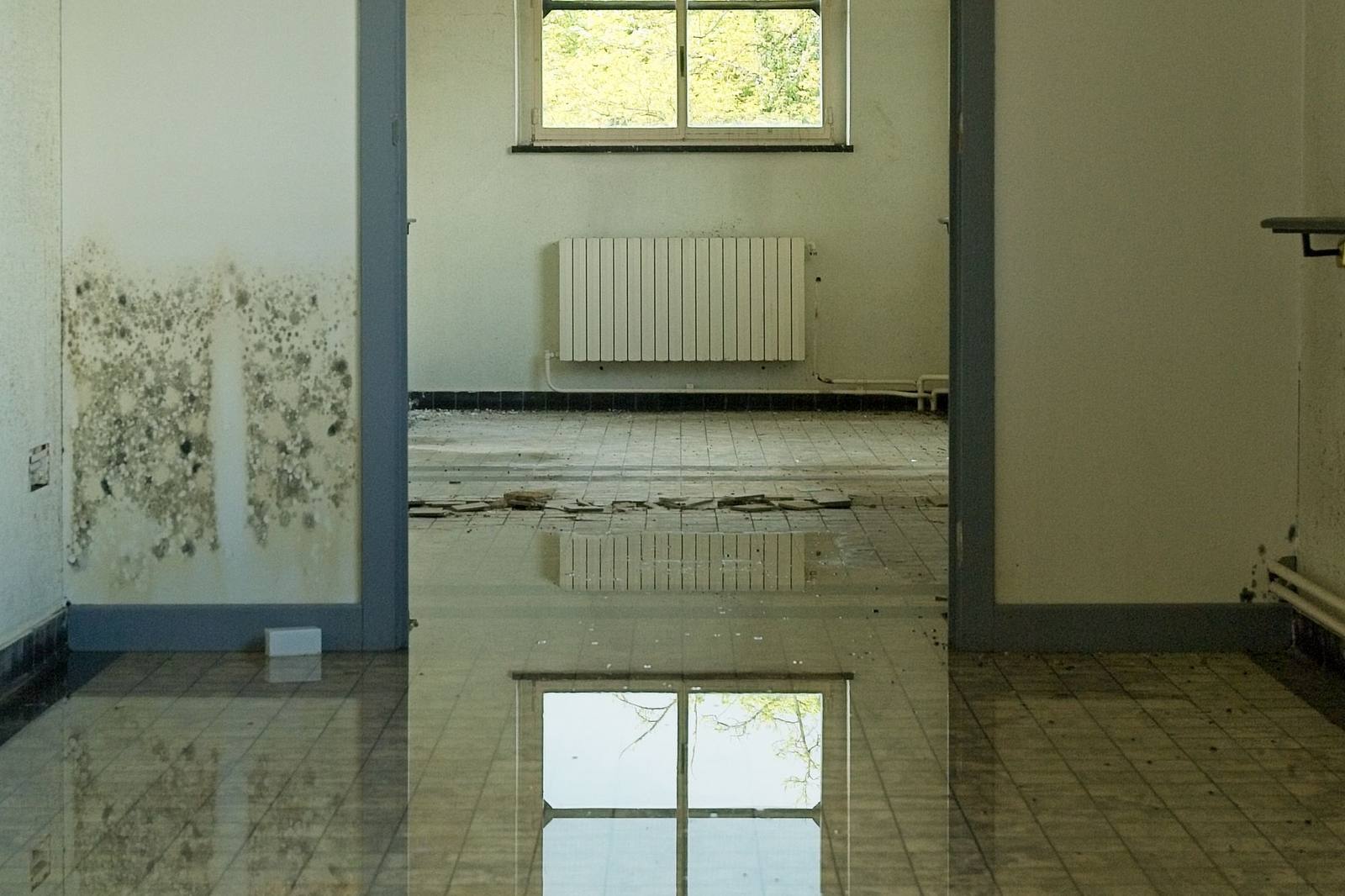
The faster standing water comes out, the less there is to dry.
Water extraction uses pumps and extraction equipment to remove standing water and pull water out of carpet and pad. It is the first hands-on step after a leak or flood.
What water extraction does
Extraction removes liquid water. Dehumidifiers and air movers remove moisture, but they work far more slowly. Every gallon taken out by extraction is water that does not have to be dried out of the air, which can shorten the drying time and reduce how much material has to be removed.
Depending on the situation, crews use submersible pumps for deep water, portable or truck-mounted extractors for carpet and hard floors, and specialty tools for pulling water from carpet pad. Before extraction begins, the water is categorized as clean, gray or contaminated, because that affects what can be saved.
When you need extraction, not just towels
A shop vacuum handles small spills. These situations call for more.
Water across more than one room
Large areas need high-capacity equipment to remove water before it spreads further.
Wet carpet and pad
Carpet pad holds a lot of water and needs specialized extraction to dry properly.
Standing water in a basement
Deep water needs pumps. Make sure power to the area is off before anyone steps in.
Water under flooring
Water trapped under laminate, vinyl plank or hardwood does not dry on its own.
Water from an unknown or dirty source
Contaminated water calls for protective equipment and different handling.
How water extraction is done
Extraction is followed by drying, so the two are planned together.
Stop the source and check safety
The water source is shut off, and power to affected areas is confirmed off before work begins.
Categorize the water
The crew determines whether the water is clean, gray or contaminated, which guides what can be saved.
Pump and extract
Standing water is pumped out and carpets and floors are extracted thoroughly.
Remove unsalvageable materials
Pad, baseboards or drywall that cannot be dried in place are removed.
Set up drying
Dehumidifiers and air movers are placed and moisture readings start, leading into structural drying.
Every property is different. The exact scope is set after an on-site assessment.
One call, every trade, start to finish
Water jobs move from extraction to drying to repairs. We help keep each step on schedule so the next one can start.
One point of contact
You work with one coordinator instead of tracking down separate contractors for each part of the job.
Every trade the job needs
Restoration rarely stops at one trade. Follow-on work like drywall, flooring, electrical or roofing can run through the same request.
Local professionals
We connect homeowners with service professionals in our network across Illinois, Missouri, Kentucky and Indiana.
Records you can share
Photos and written scopes from the job can be shared with your insurer at your discretion. We are not affiliated with any insurance company and do not make coverage decisions.
Water Extraction FAQs
Related services
Emergency Water Response
The first call and first hours of a water emergency.
Structural Drying
Drying walls, framing and subfloors and confirming they are dry.
Flood Cleanup
Mud, debris and contaminated-material removal after floodwater enters a home.
Need standing water removed?
If water is still coming in, shut off the source and call us. You can also send the details through the form below.
Call +1 (618) 925-0085Filling out the form
Under Services, choose Water damage, then select Water extraction. If this is happening now, mark the emergency status as Yes.
Not a homeowner?