
Water Damage· Urgent service
Flood Cleanup
Floodwater leaves behind more than water.
Water that comes in from outside carries mud, sewage and chemicals. Flood cleanup removes the debris and contaminated materials, cleans what is left and gets the structure ready to dry.
What flood cleanup involves
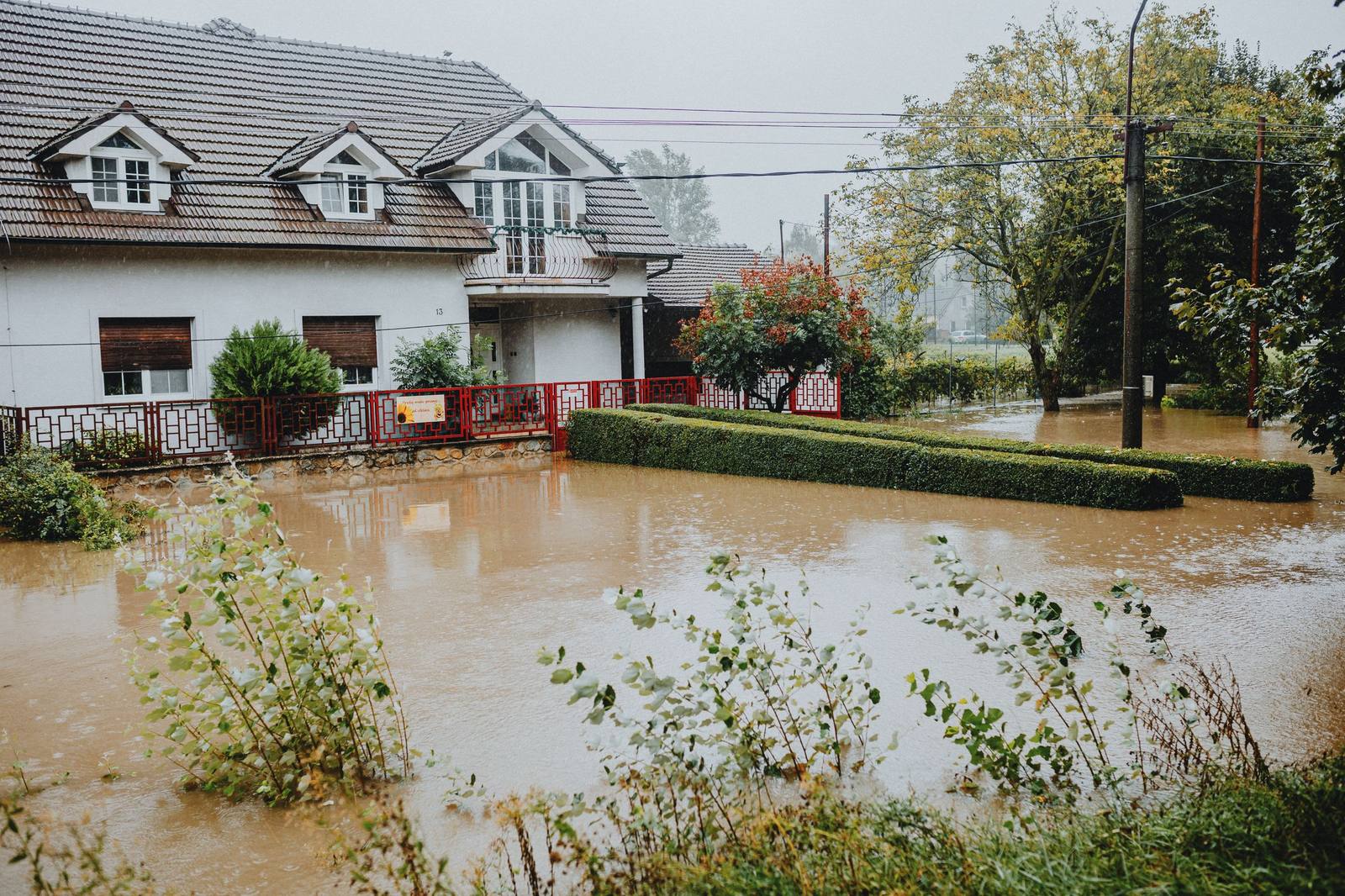
Floodwater from storms, overflowing creeks or rising rivers is treated as contaminated. It soaks into drywall, insulation, carpet and furniture and leaves a layer of silt and debris behind when it goes down.
Cleanup means removing mud and debris, removing porous materials that were soaked, often by cutting drywall above the water line, cleaning and sanitizing the remaining surfaces, and then drying the structure. It is physical, dirty work that has to be done in the right order.
What to expect after a flood
These are common conditions once floodwater has gone down.
A layer of mud and silt
Silt coats floors and lower walls and often contains bacteria.
Visible water line on walls
Drywall and insulation usually need to be removed above this line.
Soaked furniture and carpet
Porous items exposed to floodwater are usually discarded.
Strong odor
Odor from floodwater and wet materials gets worse the longer they stay in place.
Damaged appliances and mechanicals
Furnaces, water heaters and electrical panels exposed to floodwater need to be inspected before use.
How flood cleanup is done
Work begins only after authorities say it is safe to return.
Safety and documentation
Power and gas are confirmed safe, and the damage is photographed before anything is removed.
Remove water, mud and debris
Remaining water is pumped out and silt and debris are shoveled and cleared.
Flood cuts and tear-out
Wet drywall, insulation, flooring and other porous materials are removed above the water line.
Clean and sanitize
Framing, concrete and other hard surfaces are washed and treated.
Dry and verify
Drying equipment runs until moisture readings show materials are dry enough to rebuild.
Every property is different. The exact scope is set after an on-site assessment.
Good to know
Flood insurance is usually separate
Standard homeowners policies often exclude flooding from outside water. Check whether you have a separate flood policy.
Protect yourself
Wear boots, gloves and eye protection around floodwater and silt, and wash your hands frequently.
One call, every trade, start to finish
Water jobs move from extraction to drying to repairs. We help keep each step on schedule so the next one can start.
One point of contact
You work with one coordinator instead of tracking down separate contractors for each part of the job.
Every trade the job needs
Restoration rarely stops at one trade. Follow-on work like drywall, flooring, electrical or roofing can run through the same request.
Local professionals
We connect homeowners with service professionals in our network across Illinois, Missouri, Kentucky and Indiana.
Records you can share
Photos and written scopes from the job can be shared with your insurer at your discretion. We are not affiliated with any insurance company and do not make coverage decisions.
Flood Cleanup FAQs
Related services
Water Extraction
Pumping and extracting standing water from floors, carpet and basements.
Sewage Cleanup
Cleaning up after sewage backs up into a basement, bathroom or crawlspace.
Structural Drying
Drying walls, framing and subfloors and confirming they are dry.
Need help cleaning up after a flood?
Tell us how high the water got and which areas were affected. We will coordinate a local crew to start the cleanup.
Call +1 (618) 925-0085Filling out the form
Under Services, choose Water damage, then select Flood cleanup. If this is happening now, mark the emergency status as Yes.
Not a homeowner?