Water Damage
Structural Drying
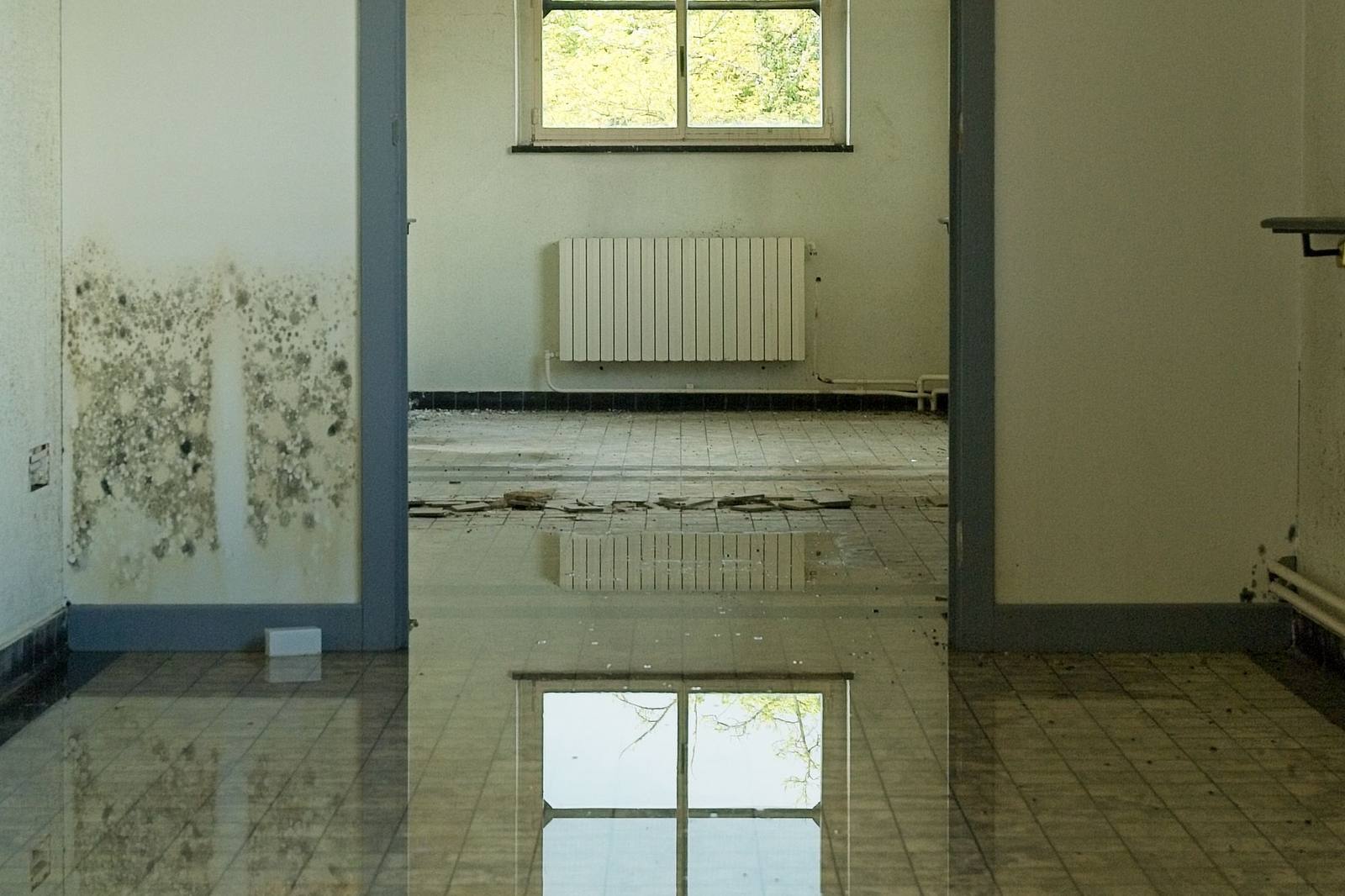
Dry to the touch is not the same as dry.
After the standing water is gone, moisture stays inside walls, framing and subfloors. Structural drying removes it with professional equipment and confirms the results with moisture readings.
What structural drying is
Once water is extracted, materials such as drywall, wood framing, subfloor and concrete still hold a lot of moisture. If they are closed up or rebuilt over while still wet, the result can be mold, warped flooring and odors that show up weeks later.
Structural drying uses dehumidifiers, air movers and sometimes heat or specialty drying systems to pull moisture out of the structure. Readings are taken at the start and throughout the job, so drying is based on measurements rather than guesswork. Industry guidance, such as the IICRC S500 standard, describes how drying goals are set and verified.
Signs materials are still wet
Moisture can hide even when surfaces look dry.
Swelling or soft baseboards
Baseboards and door casings swell and soften as they absorb water.
Cupping or buckling floors
Wood flooring that cups or lifts is still absorbing moisture from below.
Bubbling paint or wallpaper
Water trapped behind finishes can lift them.
A musty smell days later
Odors that develop after a leak often mean materials were not fully dried.
How structural drying works
Drying is measured, adjusted and verified every step of the way.
Measure moisture
Moisture meters and thermal imaging map wet materials and set a dry reference from unaffected areas.
Open up where needed
Baseboards may be removed or small holes drilled so air can reach inside wall cavities.
Place equipment
Dehumidifiers and air movers are set up for the size of the affected area and the materials involved.
Monitor daily
Readings are taken regularly and equipment is moved or adjusted as areas dry.
Verify and hand off
Once readings reach the drying goals, equipment is removed and repairs can begin.
Every property is different. The exact scope is set after an on-site assessment.
One call, every trade, start to finish
Water jobs move from extraction to drying to repairs. We help keep each step on schedule so the next one can start.
One point of contact
You work with one coordinator instead of tracking down separate contractors for each part of the job.
Every trade the job needs
Restoration rarely stops at one trade. Follow-on work like drywall, flooring, electrical or roofing can run through the same request.
Local professionals
We connect homeowners with service professionals in our network across Illinois, Missouri, Kentucky and Indiana.
Records you can share
Photos and written scopes from the job can be shared with your insurer at your discretion. We are not affiliated with any insurance company and do not make coverage decisions.
Structural Drying FAQs
Related services
Water Extraction
Pumping and extracting standing water from floors, carpet and basements.
Emergency Water Response
The first call and first hours of a water emergency.
Flood Cleanup
Mud, debris and contaminated-material removal after floodwater enters a home.
Make sure it is actually dry
Tell us what got wet and when. A local professional can measure the moisture and set up drying.
Call +1 (618) 925-0085Filling out the form
Under Services, choose Water damage, then select Structural drying.
Not a homeowner?