Fire Damage
Odor Removal
If the house still smells like smoke, the source has not been dealt with yet.
Smoke odor comes from residue that has worked into framing, insulation, ductwork and soft materials. Odor removal finds those sources and treats them, instead of covering the smell.
What odor removal involves
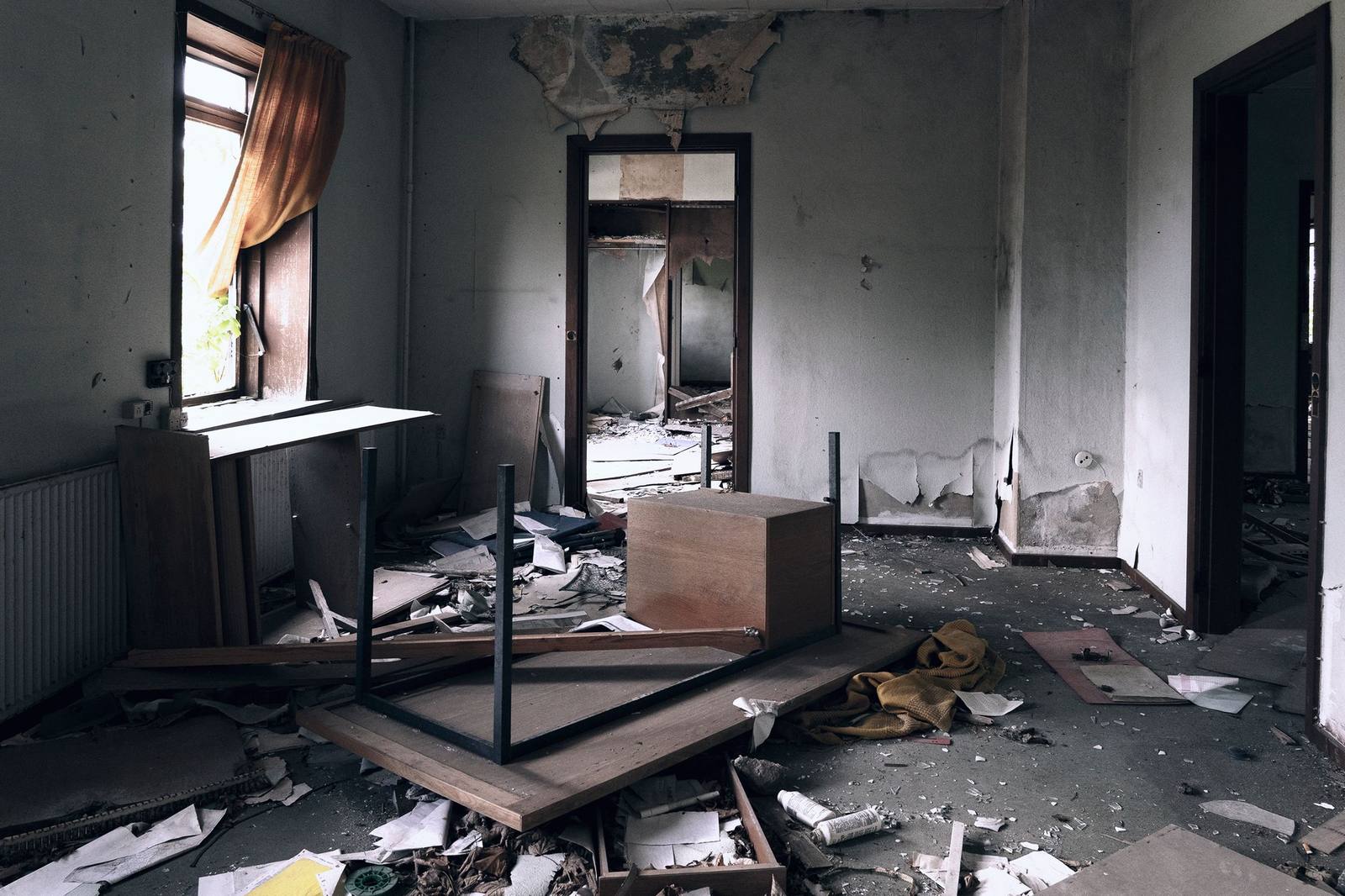
Smoke odor is caused by residue, not by the air itself. Fine particles and gases settle into porous materials such as drywall, wood framing, insulation, carpet and upholstery, and inside the ductwork. Air fresheners and open windows can make the smell less noticeable for a while, but it returns on warm or humid days because the residue is still there.
Odor removal is normally the last cleaning step on a fire job. It starts after smoke and soot cleanup, because deodorizing a surface that still carries residue does not last. The work combines removing or sealing the materials that hold the odor with deodorizing methods matched to the home and its contents.
Signs odor sources are still in the house
These usually mean residue is still present somewhere, even if surfaces look clean.
Smell gets stronger with the HVAC running
Residue in the ducts, the blower or the return side of the system is spread through the house each time it runs.
Odor comes back on warm or humid days
Heat and humidity release odor from porous materials that still hold residue.
Strongest smell in closets and cabinets
Enclosed spaces trap smoke and are easy to miss during cleaning.
Soft goods still smell after washing
Fabric, foam and upholstery can need specialty cleaning, or may not be salvageable.
How smoke odor is removed
Each job is assessed on site. Most odor removal follows these steps.
Find the sources
The technician checks rooms, closets, the attic, wall cavities where accessible, and the HVAC system to locate where the odor is coming from.
Finish source cleaning
Any remaining residue is cleaned, and materials that cannot be cleaned, such as soaked insulation or badly affected carpet pad, are removed.
Seal where needed
Cleaned framing and some surfaces can be sealed with an odor-blocking primer so remaining traces are locked in before repairs.
Deodorize the air and spaces
Methods such as air filtration, hydroxyl generators or thermal fogging are chosen based on the home. Some methods require the house to be unoccupied during treatment.
Ducts, contents and recheck
Ductwork is cleaned and filters are replaced, contents are cleaned or deodorized, and the home is checked again once treatment is complete.
Every property is different. The exact scope is set after an on-site assessment.
Good to know
Masking products do not remove odor
Scented sprays and candles cover the smell for a short time. The odor returns until the residue holding it is removed or sealed.
Some treatments need an empty house
Certain deodorizing methods are not safe for people or pets during treatment. You will be told in advance if you need to stay out and for how long.
One call, every trade, start to finish
After a fire, the cleanup, the water left behind and the rebuild usually involve several different trades. We keep them working from one plan.
One point of contact
You work with one coordinator instead of tracking down separate contractors for each part of the job.
Every trade the job needs
Restoration rarely stops at one trade. Follow-on work like drywall, flooring, electrical or roofing can run through the same request.
Local professionals
We connect homeowners with service professionals in our network across Illinois, Missouri, Kentucky and Indiana.
Records you can share
Photos and written scopes from the job can be shared with your insurer at your discretion. We are not affiliated with any insurance company and do not make coverage decisions.
Odor Removal FAQs
Related services
Smoke Cleanup
Cleaning smoke residue from walls, ceilings, contents and HVAC after a fire.
Soot Cleanup
Removing heavy black soot deposits from surfaces, framing and ductwork.
Reconstruction Services
Rebuilding fire-damaged rooms, from framing and drywall to finishes.
Still smelling smoke?
Tell us what burned, when it happened and where the smell is strongest. We will line up a local professional to find the source and recommend a treatment.
Call +1 (618) 925-0085Filling out the form
Under Services, choose Fire damage, then select Odor removal.
Not a homeowner?