Fire Damage
Soot Cleanup
Soot stains fast and smears easily. The right first pass matters.
Soot is the heavier, darker residue left by burning material. It needs a careful, staged cleaning approach so it comes off surfaces instead of being ground into them.
What soot cleanup covers
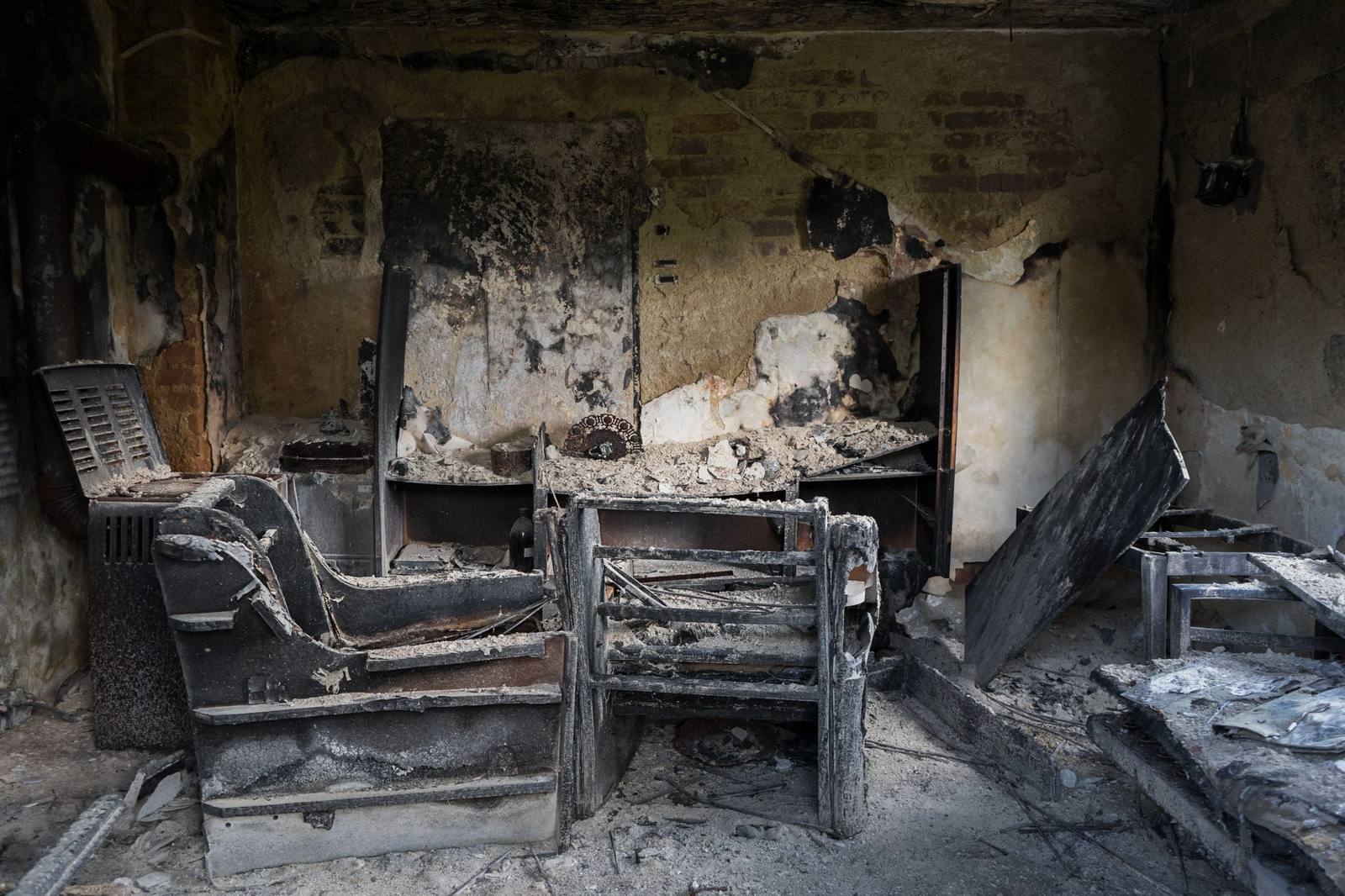
Where smoke cleanup deals with the thinner film that drifts through a house, soot cleanup handles the heavy black deposits near the fire and anywhere a lot of residue was pushed by heat or air movement. That includes walls and ceilings in the fire room, exposed framing, the inside of ductwork and the surfaces around a furnace that misfired.
Soot from plastics, synthetics and oil-based materials is often greasy and acidic. Left in place, it can etch glass, discolor grout and corrode metal. Cleaning it early can mean the difference between cleaning a surface and replacing it.
What heavy soot looks like
These are signs the residue needs more than a basic wipe-down.
Black webs hanging from ceilings
Often called soot tags, these form when burning synthetic materials leave stringy residue in corners and along ceiling lines.
Residue that smears when touched
Greasy soot spreads instead of lifting off. It needs dry removal before any wet cleaning.
Soot around every vent in the house
A furnace puff-back can push soot through the entire duct system in a few minutes.
Etching on glass or bathroom fixtures
Acidic soot can permanently mark glass, porcelain and chrome if it sits for days.
Our soot cleanup process
Soot cleanup is done in stages, from the least aggressive method to the most.
Contain the work area
Heavily affected rooms are sealed off and air scrubbers are set up so soot is not tracked or blown into clean areas.
Remove loose soot
HEPA vacuuming and dry chemical sponges take off as much residue as possible without moisture.
Clean by surface type
Painted drywall, wood trim, cabinets, brick and tile each get cleaners and methods suited to that surface.
Clean or seal framing
Exposed framing with soot or light charring is cleaned. Where needed, it is sealed to lock in residue and odor before the walls are closed.
Ductwork and final check
Ducts and registers that carried soot are cleaned, filters are replaced, and surfaces are checked again before repairs start.
Every property is different. The exact scope is set after an on-site assessment.
One call, every trade, start to finish
After a fire, the cleanup, the water left behind and the rebuild usually involve several different trades. We keep them working from one plan.
One point of contact
You work with one coordinator instead of tracking down separate contractors for each part of the job.
Every trade the job needs
Restoration rarely stops at one trade. Follow-on work like drywall, flooring, electrical or roofing can run through the same request.
Local professionals
We connect homeowners with service professionals in our network across Illinois, Missouri, Kentucky and Indiana.
Records you can share
Photos and written scopes from the job can be shared with your insurer at your discretion. We are not affiliated with any insurance company and do not make coverage decisions.
Soot Cleanup FAQs
Related services
Smoke Cleanup
Cleaning smoke residue from walls, ceilings, contents and HVAC after a fire.
Emergency Board-Up
Securing broken windows, doors and roof openings after a fire.
Reconstruction Services
Rebuilding fire-damaged rooms, from framing and drywall to finishes.
Need soot cleaned up the right way?
Let us know where the soot is and what burned. A local professional can assess the residue and recommend the right cleaning approach.
Call +1 (618) 925-0085Filling out the form
Under Services, choose Fire damage, then select Soot cleanup.
Not a homeowner?